


Loch Linnhe
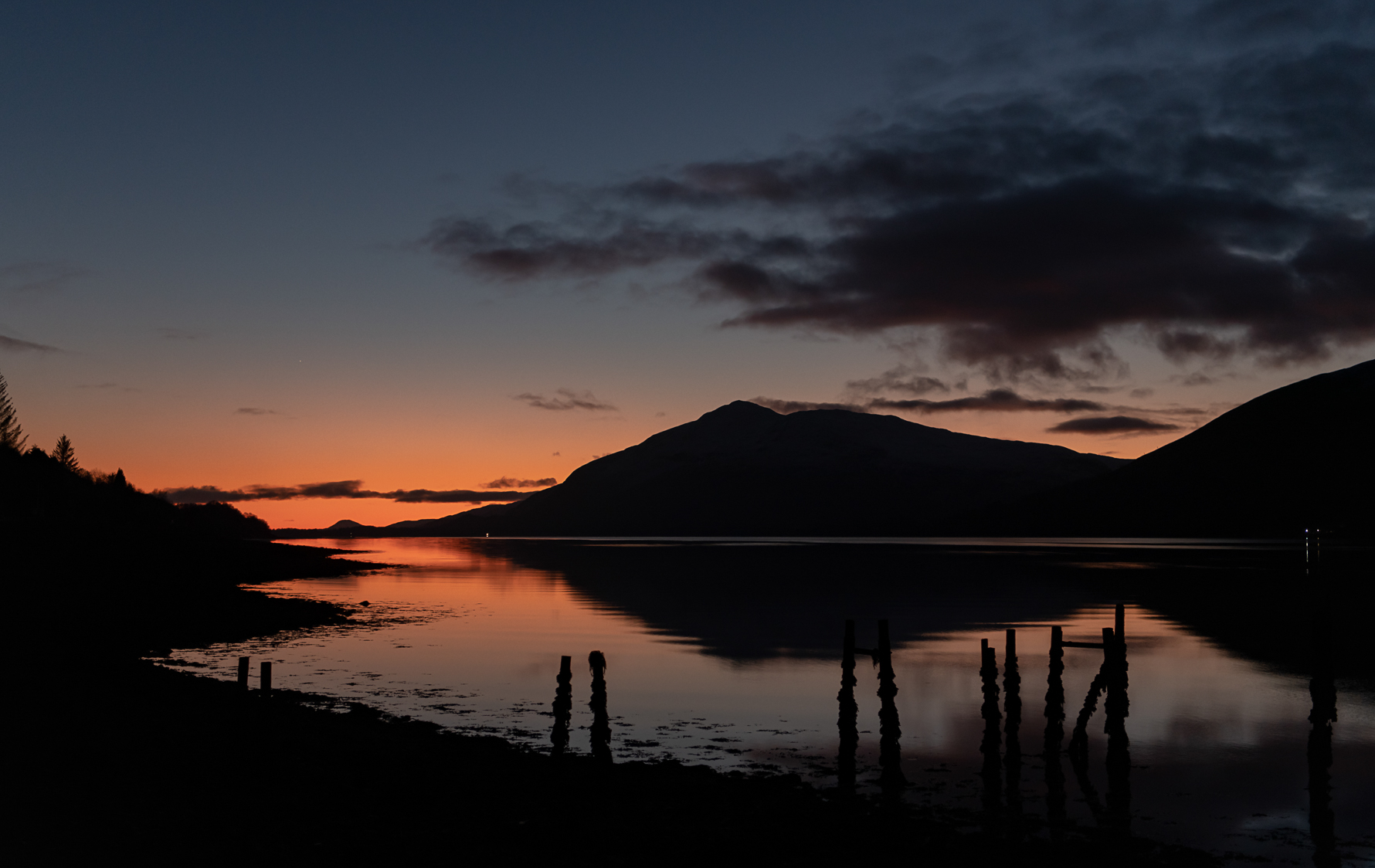
Located on the stunning west coast of the Scottish Highlands, Loch Linnhe is a natural wonder of grand proportions. This tidal sea loch stretches approximately 10 miles in length and about 1 mile in width, creating an expansive waterway that weaves past some of Scotland’s most stunning features like Ben Nevis. However, what truly sets Loch Linnhe apart is its remarkable depth, as it plunges to a staggering 164 meters, making it the second deepest sea loch along the West Coast.
The tidal dynamics of Loch Linnhe are equally impressive. It experiences a substantial tidal range of 4.5 meters, which contributes to its unique ecosystem and the constant ebb and flow of its waters. These tides play a pivotal role in the loch’s intricate ecology, influencing everything from the marine life that calls it home to the schedule of businesses and residents who us the loch for work and pleasure.

Beneath the surface of Loch Linnhe lies a fascinating world that remains largely hidden from view. The seabed, at a constant temperature of 2-3 degrees Celsius, is a testament to the loch’s ability to retain its chill even in the face of seasonal changes. This cool undersea environment nurtures a rich diversity of marine life, including various species of fish, invertebrates, and algae!
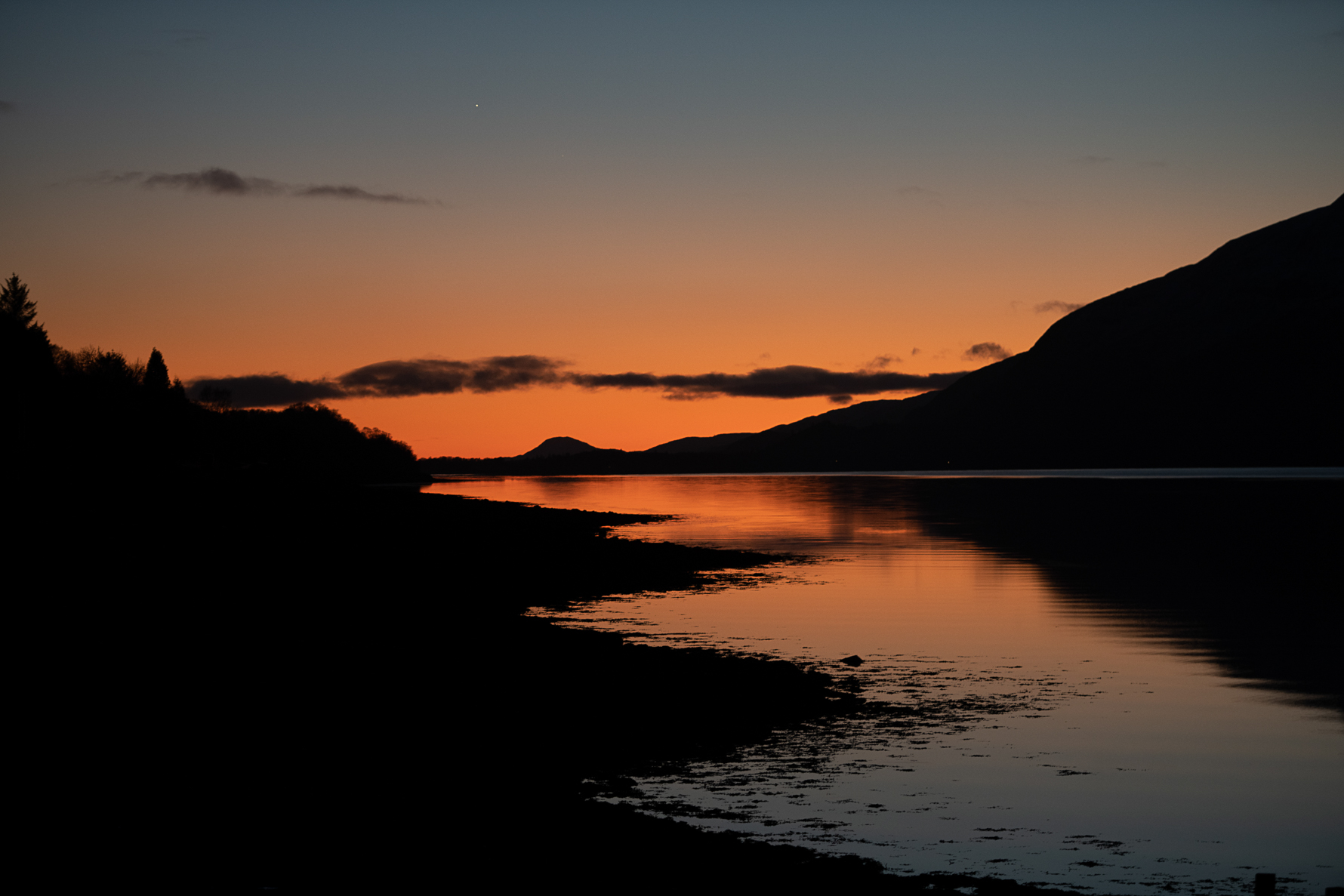
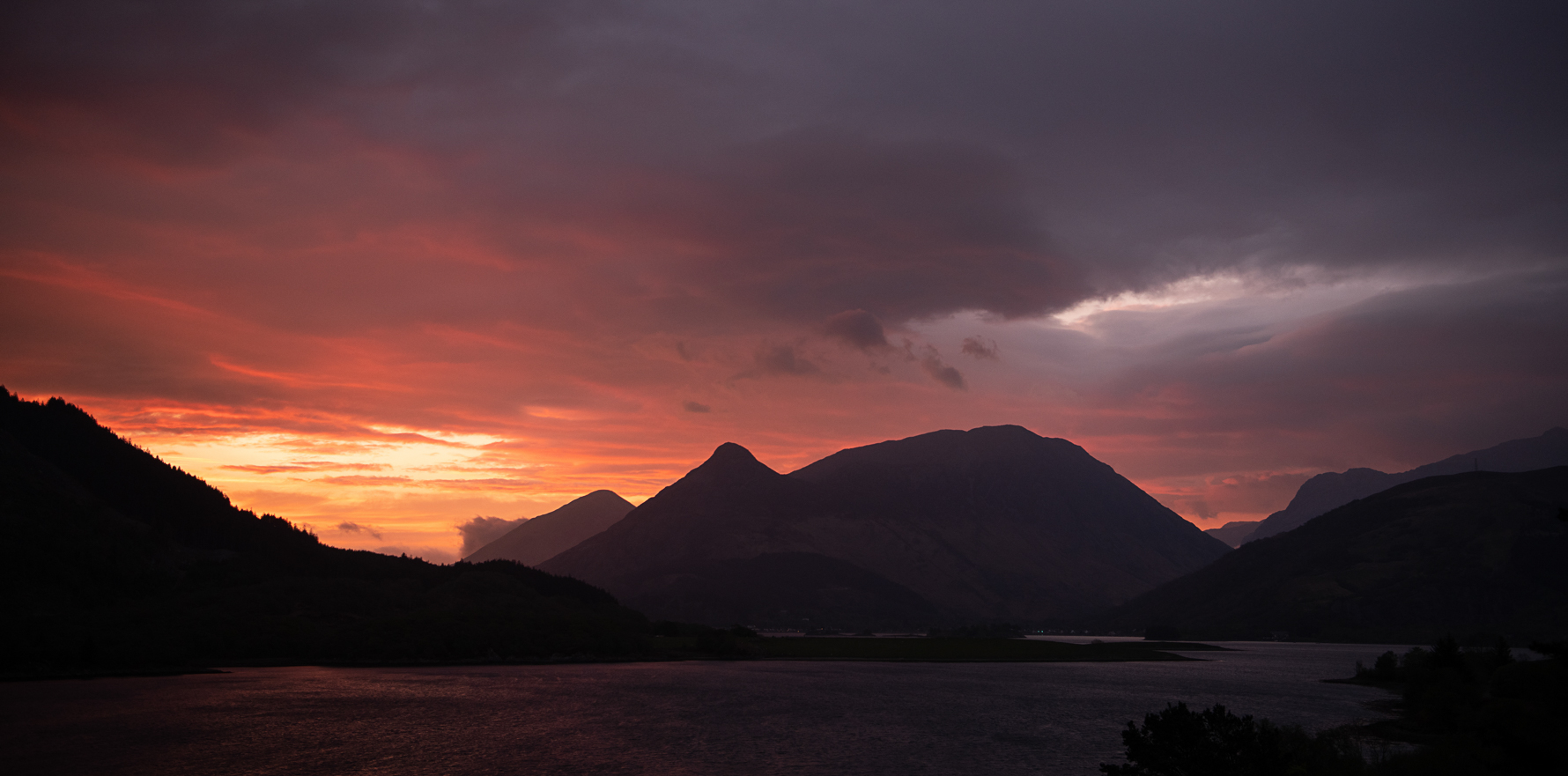
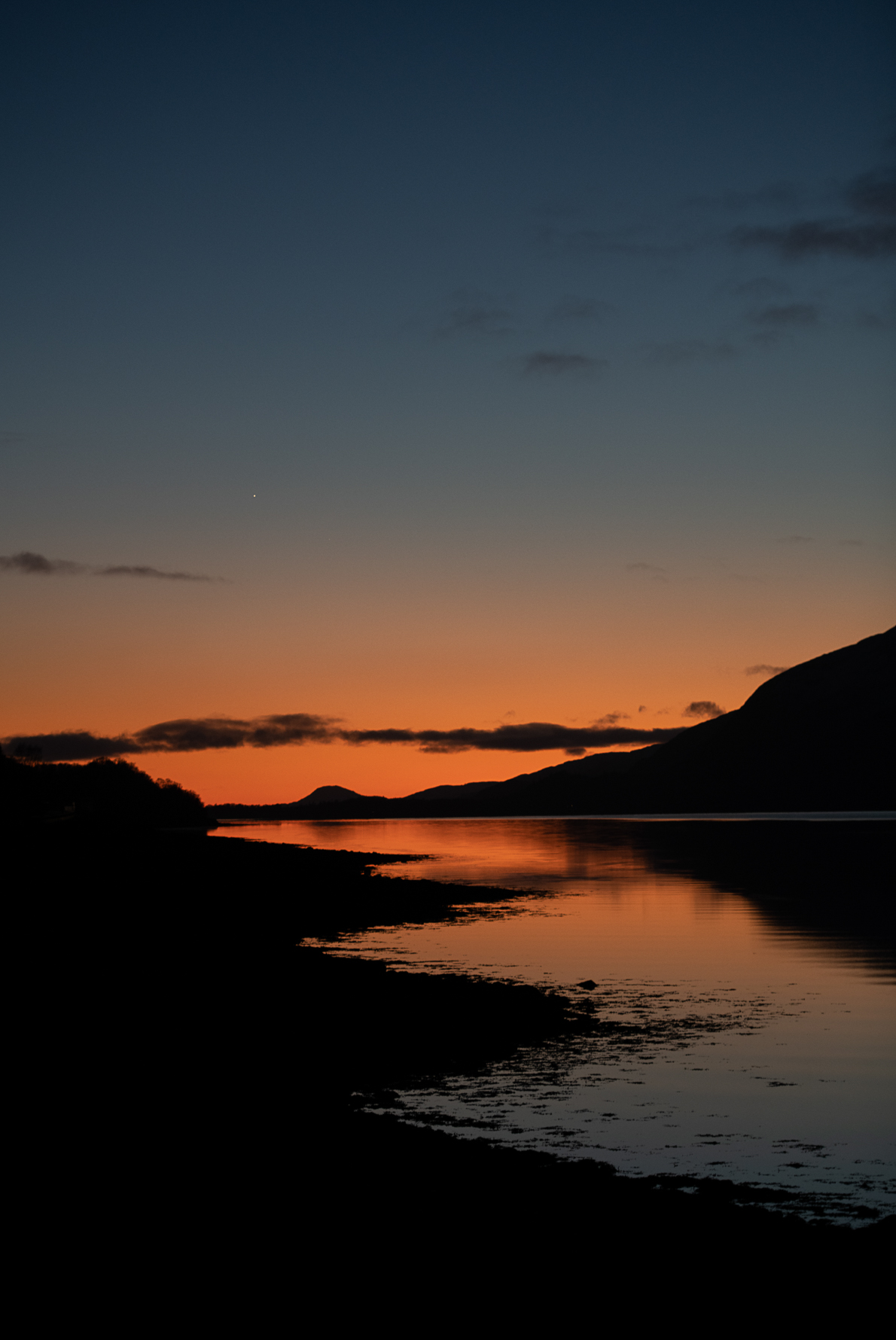
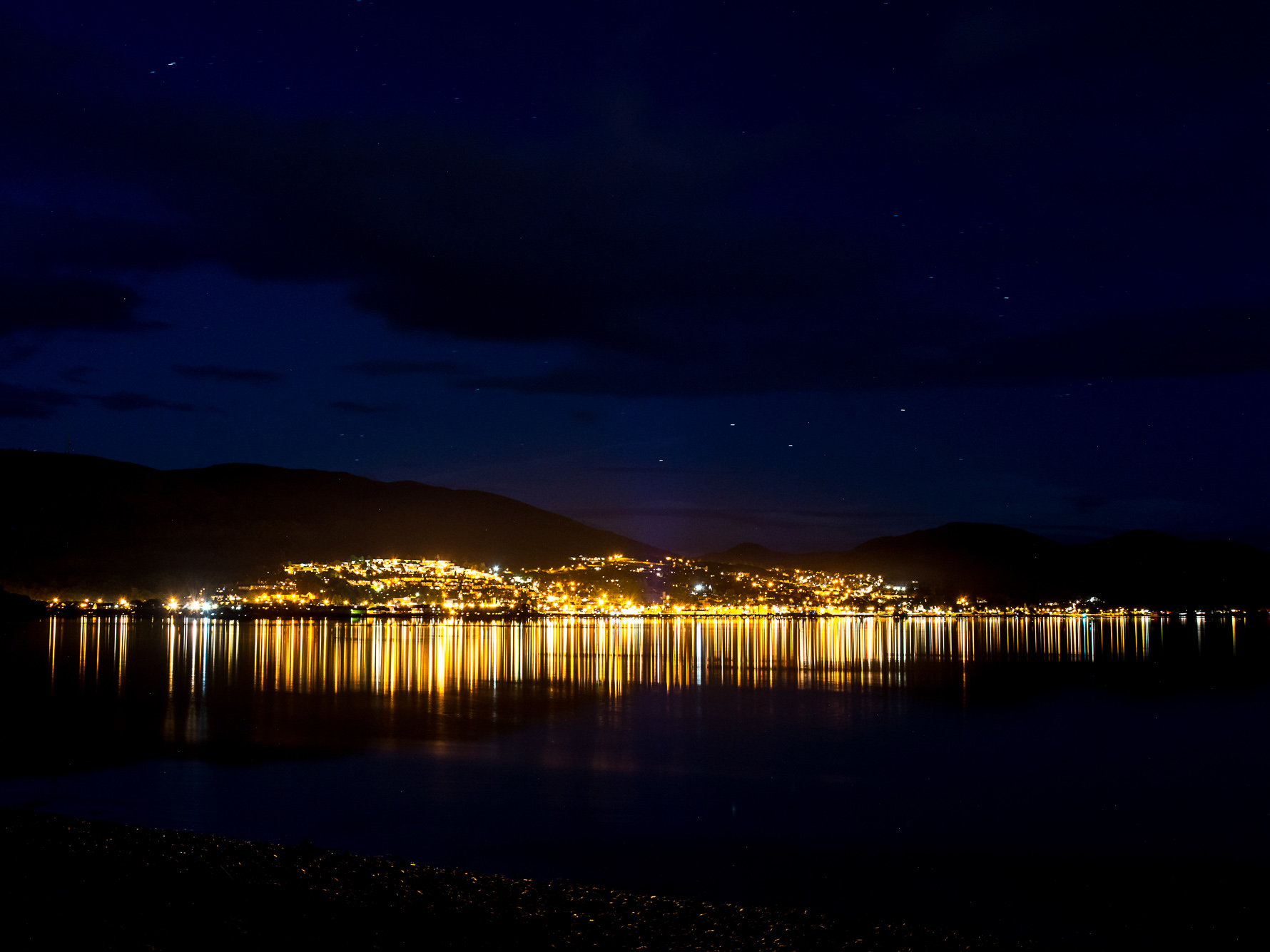
The loch’s deep, clear waters and spectacular surroundings make it a favourite destination for boating, fishing, and wildlife enthusiasts. The mountainous terrain that frames Loch Linnhe provides a dramatic backdrop to its serene waters, making it an idyllic setting for photographers and nature lovers alike.
Loch Linnhe isn’t just a geographical feature; it’s a living, dynamic ecosystem and a vital part of the Scottish landscape. Its immense depth, impressive tidal range, and unique marine environment contribute to its significance not only as a recreational and scenic wonder but also as a site of scientific and ecological interest. Exploring its depths and embracing the stunning vistas it offers above water allows us to appreciate the wonder and diversity of nature in this special corner of the world.